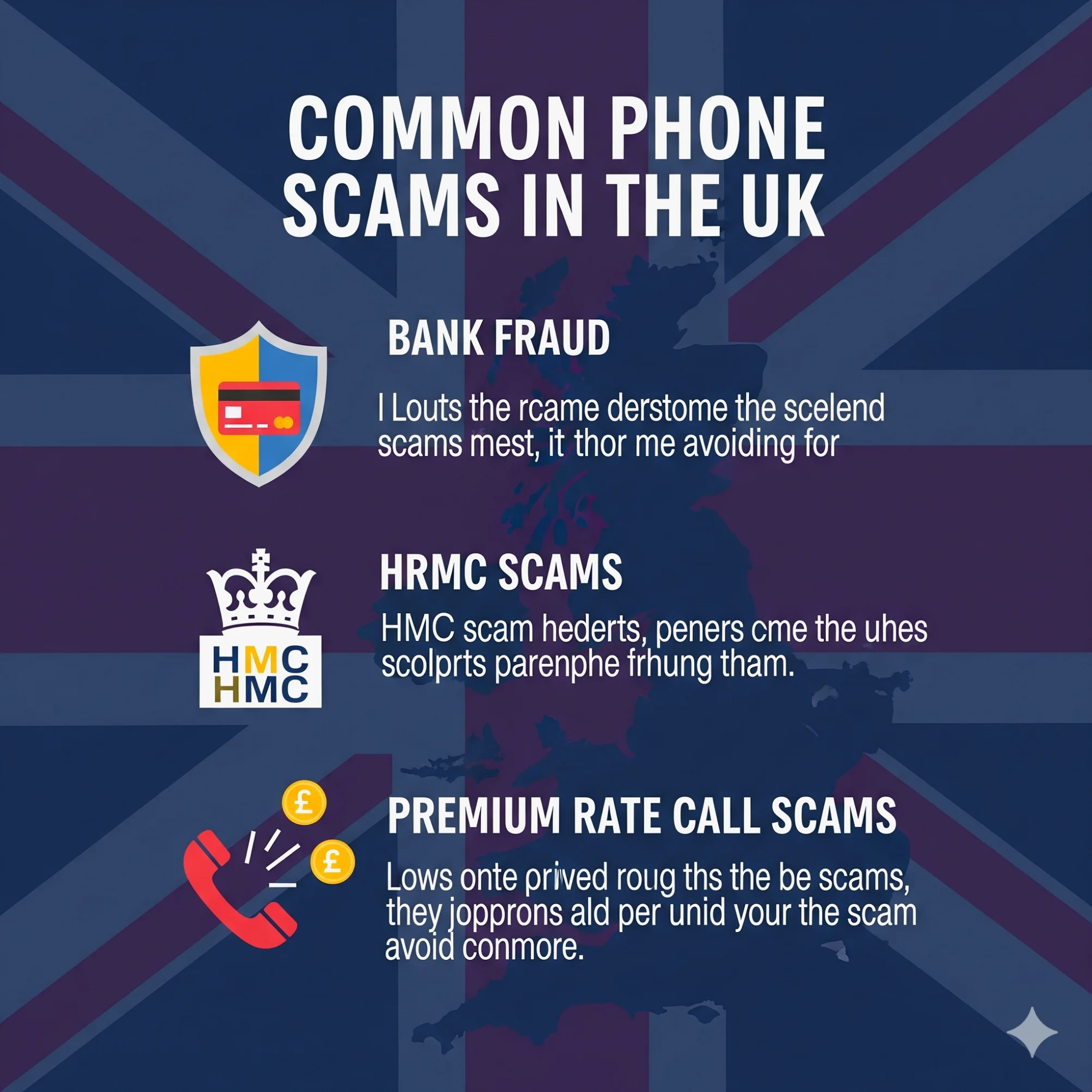
UK phone scam types overview – who telephoned me from scam number, all common UK phone fraud types explained

Why Every UK Resident Needs to Know These Scam Types

Phone scams cost UK residents over £2 billion every year. Understanding how each scam works is the most effective protection – because once you recognise the pattern, the call becomes obvious. Every scam type on this page follows the same core psychology: authority, urgency, and fear or greed. Once you see it, you can't unsee it.

If someone telephoned you and something felt wrong, search the number below before doing anything else.

🏦
Bank & Finance Impersonation
Highest risk · Most common scam type in UK
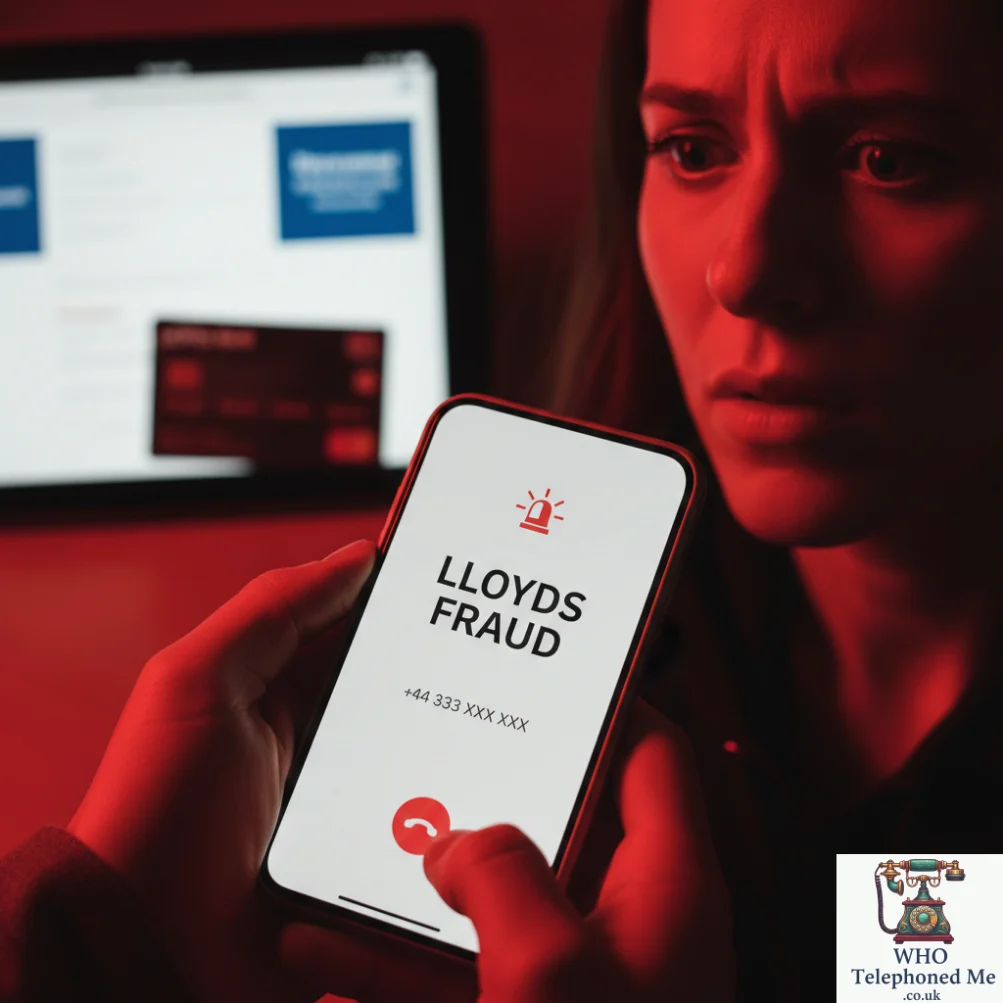
Bank phone scam call UK – who telephoned me claiming to be Barclays or NatWest fraud department asking to move money

Who Telephoned Me Claiming to Be My Bank?

The authorised push payment (APP) scam is the most financially damaging phone fraud in the UK. A caller claims to be from your bank's fraud prevention team – often naming Barclays, Lloyds, NatWest, HSBC, Halifax or Santander by name.

They say your account has been compromised by an internal fraud or a suspicious transaction. To protect your money, you need to transfer it immediately to a "safe account" they control. They may know your name, partial account number and even recent transactions (obtained from data breaches or social engineering).

What your real bank will never do: ask you to transfer money to protect it, ask for your full PIN or internet banking password, send a courier to collect your card, or tell you to keep the call secret from family.

If someone telephoned you with this story, hang up immediately. Call your bank back using the number on the back of your card from a different phone. Do not use the number the caller gave you.
🏛️
HMRC & Government Impersonation
Very common · Automated and live calls
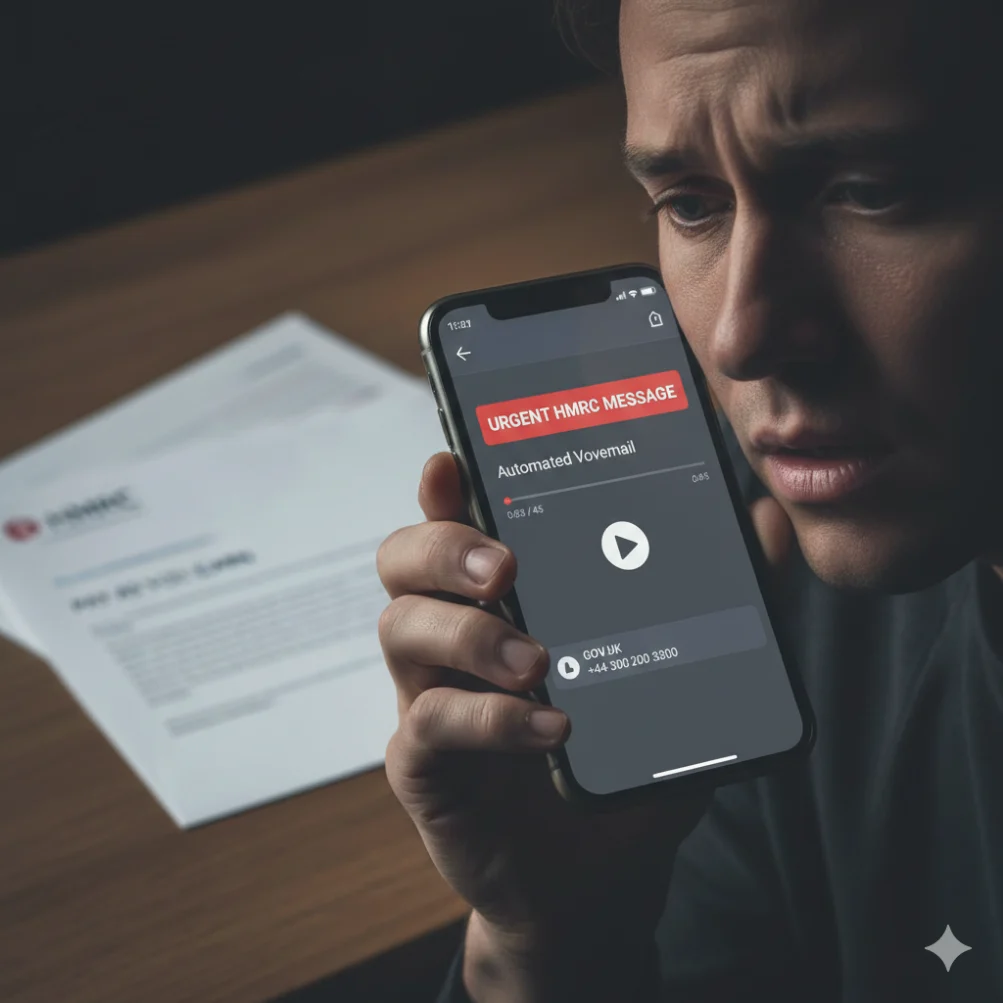
HMRC phone scam UK – automated recording claiming tax debt warrant, who telephoned me impersonating HMRC or government

Who Telephoned Me from HMRC with an Arrest Threat?

An automated recording states that a warrant has been issued for your arrest due to unpaid tax. You're told to press 1 to speak to an agent or call back a number immediately or face arrest. This is entirely fabricated – no such warrant exists.

HMRC never contacts people by automated phone message about tax debts or arrest warrants. All serious HMRC communications are sent by post. The number that telephoned you may even display HMRC's real helpline number – this is caller ID spoofing.

Similar scams impersonate the National Crime Agency, Home Office (claiming visa or immigration violations), DWP (claiming benefit overpayment) and even the police. All follow the identical pattern: manufactured urgency, a false threat, and a demand for immediate payment.

📱
Number Spoofing – The Foundation of Every Scam
Affects all scam types · Critical to understand

Who Telephoned Me? The Number You See May Be Fake

Caller ID spoofing is the technology that makes most UK phone scams possible. It allows anyone to display any phone number they choose when making a call. The cost to criminal operations is almost zero – commercial spoofing services charge fractions of a penny per call.

This means a call displaying your bank's official fraud line, HMRC's published helpline number, or even the number of someone you know, could be from a criminal anywhere in the world. The number that appeared when someone telephoned you proves nothing about who actually called.

This is why the only reliable way to verify an unexpected call is to hang up and call back using a number you have independently sourced – from the back of your card, the official website, or a phone book. Never use the number that appeared when they called.

When you search a number on WhoTelephonedMe.co.uk, you'll see if others have reported it as a spoofed number used in fraud – even if it appears to be a legitimate business or government number on the surface.

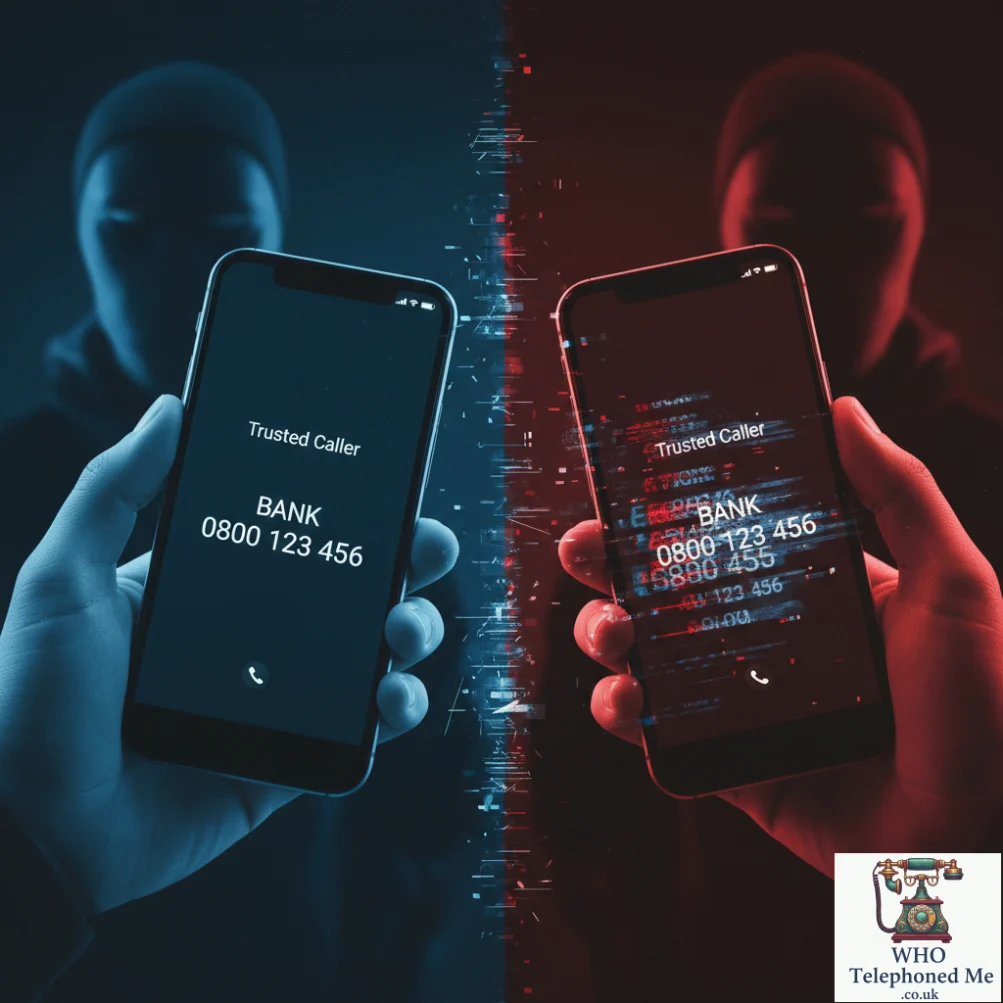
Caller ID spoofing UK – phone showing spoofed bank number when scammer telephoned, number displayed may not be real caller
💰
Investment & Cryptocurrency Fraud
Highest average losses · Growing rapidly

Who Telephoned Me About an Investment Opportunity?

Investment scam phone call UK – who telephoned me offering cryptocurrency or stock market opportunity with guaranteed returns
Cryptocurrency phone fraud UK – who phoned me about Bitcoin or crypto investment, fake trading platform scam call

Investment fraud is the category with the highest average losses among UK phone scam victims – commonly £10,000 or more per incident, with some victims losing their entire savings. Someone telephoned you out of the blue with a tip about a stock, a cryptocurrency trading platform or a foreign exchange opportunity.

Initial conversations are friendly and low-pressure. The caller – often using a fake name and claiming to work for a real financial firm – builds trust over several calls before requesting an initial deposit. Early "profits" appear in the account to encourage larger deposits. When the victim tries to withdraw funds, fees and taxes are demanded, and then the operation vanishes.

Always check the Financial Conduct Authority register (register.fca.org.uk) before investing with any firm. If someone telephoned you with an investment opportunity you didn't request, check the number on WhoTelephonedMe.co.uk and report to Action Fraud.

📦
Parcel & Delivery Scams
Fastest growing · Exploits online shopping habits

Who Telephoned Me About a Parcel or Delivery?

A text message or call states that a parcel couldn't be delivered and requires a small redelivery fee – typically £1.99 to £2.99. The link in the text leads to a convincing fake Royal Mail, DPD, Hermes or Evri website designed to capture payment card details. Any card details entered are used for large fraudulent purchases.

Phone-based versions involve a recorded call asking you to press a key to rearrange delivery and then directing you to a premium rate number. If someone telephoned you about an unexpected parcel, do not click any links. Check the real delivery company's website by typing the URL yourself – do not use the link in the message.

📵
Wangiri & Missed Call Scams
Ring-and-cut · Exploits curiosity

Who Telephoned Me Once and Rang Off? – The Wangiri Scam

The word "wangiri" is Japanese for "one ring and cut." A call rings once – just long enough to register as a missed call on your screen – then disconnects. The caller's goal is to make you curious enough to call back. When you do, you connect to a premium rate line that can charge £3–5 per minute.

Wangiri scams frequently use international numbers starting with dialdialling codes like +881 (satellite phone), +373 (Moldova), +216 (Tunisia) or other international codes that are sometimes configured to premium rate services. Always search any international missed call number before returning it – if the number has been used in wangiri fraud, others will have reported it.

The 070 number range in the UK is also commonly used in domestic variants of this scam, as these personal numbering plan numbers can cost up to 65p per minute to call.

💻
Tech Support & ISP Impersonation
Targets elderly users · Remote access risk

Who Telephoned Me from Microsoft, BT or My Internet Provider?

A caller claims to be from Microsoft, your internet service provider (BT, Sky, Virgin, TalkTalk), or a computer support company. They say your computer has been sending error reports, is infected with a virus, or that your broadband router is about to be shut down. They ask you to download a remote access program (TeamViewer, AnyDesk, etc.) so they can "fix the problem."

Once they have remote access to your computer, scammers can install malware, access online banking, steal passwords and personal files, and extort victims by locking them out of their own devices. Microsoft does not make unsolicited support calls. Your ISP will not call to warn you of viruses on your computer. If someone telephoned you with this story, hang up immediately.

What to Do If Someone Telephoned You from a Scam Number

1
Hang Up

Do not engage, do not give information, do not press any numbers. Hang up immediately. A scammer who doesn't reach you cannot harm you.

2
Search the Number

Search on WhoTelephonedMe.co.uk. If it's a known scam number, you'll see reports. Add your own so others who ask "who telephoned me?" get warned.

3
Report to Action Fraud

Visit actionfraud.police.uk or call 0300 123 2040. Your report feeds national intelligence and helps police identify fraud operations.

If you've already given bank details or transferred money:

Contact your bank immediately using the number on the back of your card – NOT any number the caller gave you. Most UK banks have 24-hour fraud teams. Act within minutes if possible. Then report to Action Fraud.

Did Someone Telephone You from a Scam Number?

Search the number free and add a report to warn other UK residents.